


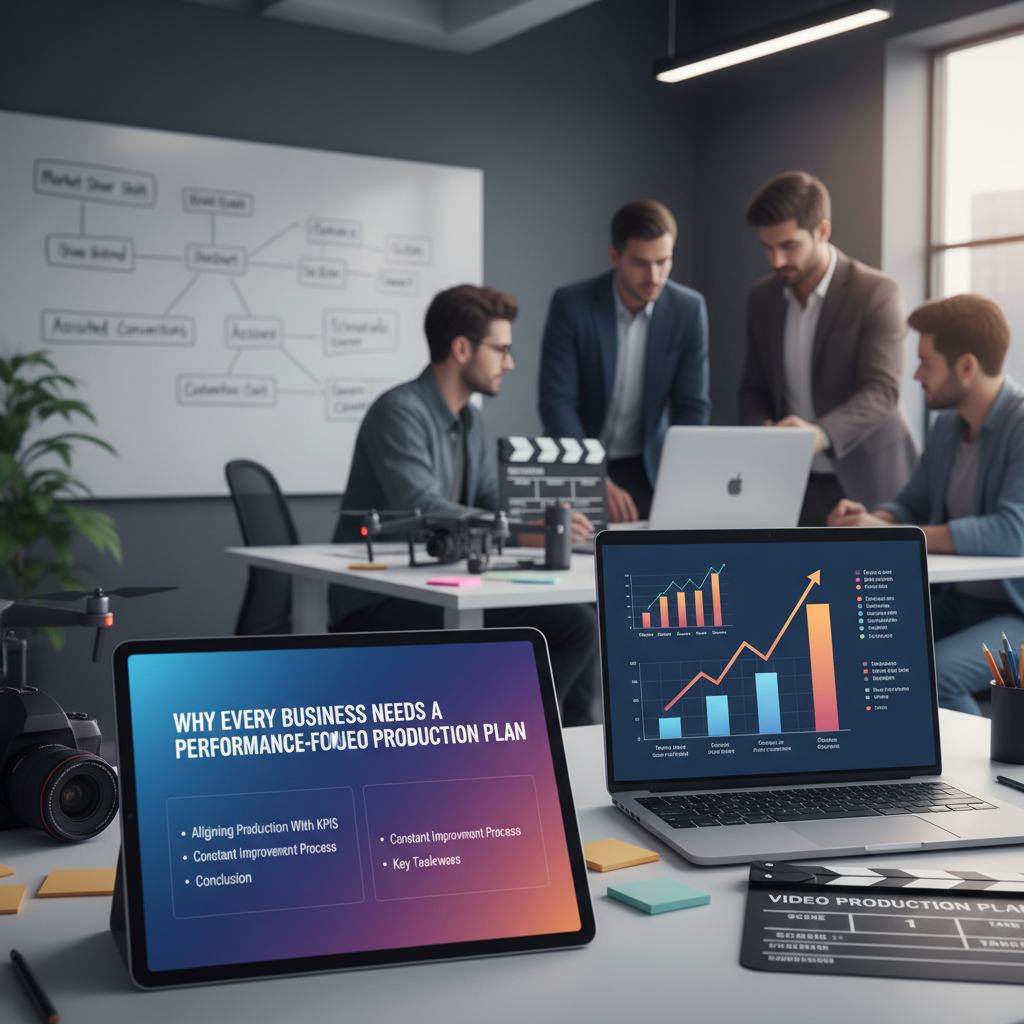
Ever felt like you’re just… making content? You know, churning out videos because “everyone else is doing it,” or because your calendar says it’s time? It’s a common trap, and frankly, it’s a fast track to wasted effort and budget. In today’s digital landscape, content without clear metrics is like sailing without a compass – you’re moving, but you have no idea if you’re headed in the right direction, let alone making progress. This is especially true for video, which often demands significant investment in time, talent, and tech.
The truth is, simply having videos isn’t enough anymore. What truly matters is having videos that *perform*. We’re talking about a strategic approach to video production that ties every frame, every cut, and every call-to-action directly to your business objectives. It’s about moving beyond vanity metrics and focusing on what genuinely drives growth. This isn’t just about being efficient; it’s about being effective, ensuring every dollar spent on video contributes meaningfully to your bottom line.
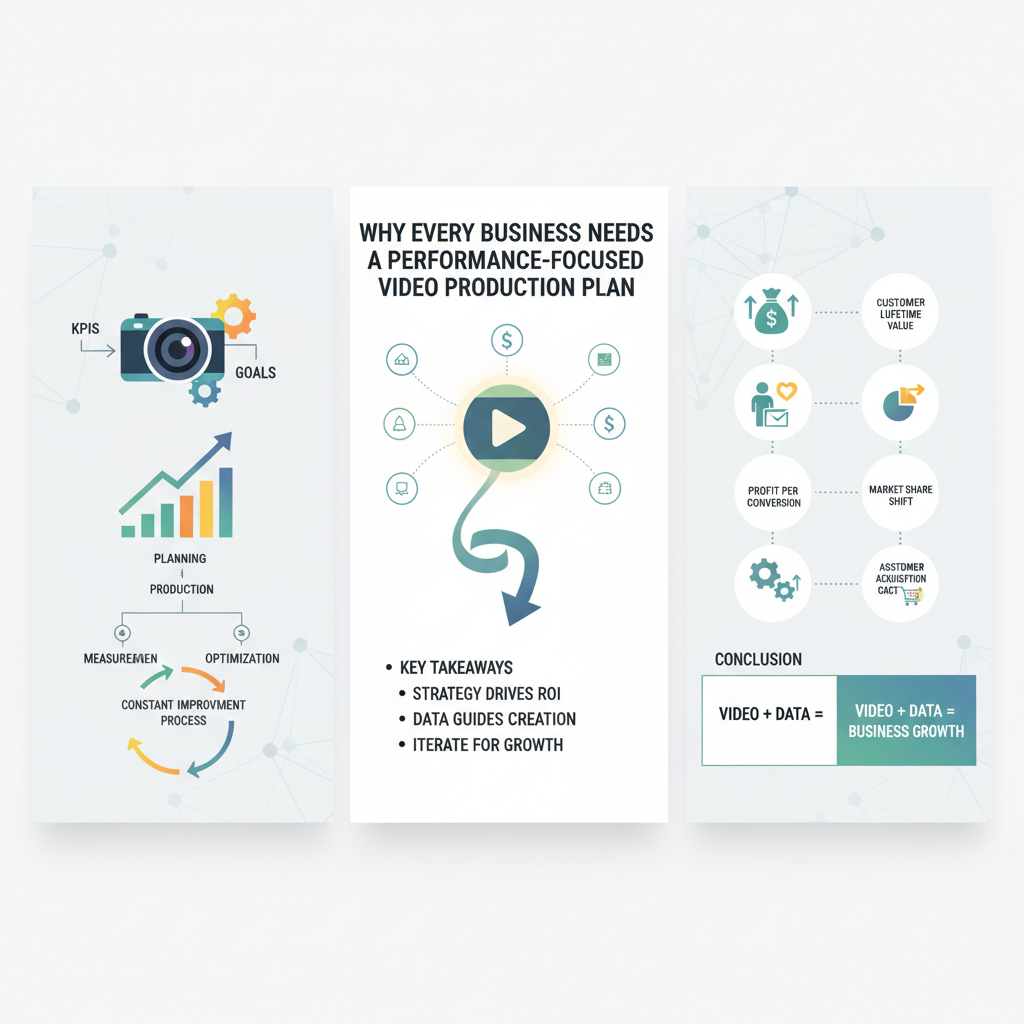
Aligning Production With KPIs
The first step toward performance-focused video production is a fundamental shift in mindset: every video project isn’t just a creative endeavor; it’s a strategic asset designed to achieve specific Key Performance Indicators (KPIs). Before a single camera rolls or a script is written, you need to ask: What do we want this video to *do*?
Are you aiming for brand awareness? Then your KPIs might involve reach, impressions, and unique views. Perhaps you’re focused on engagement? Metrics like watch time, completion rates, shares, and comments become paramount. If conversion is the goal, you’ll be looking at click-through rates, lead generation, or direct sales attributed to the video. For customer retention and loyalty, metrics could include repeat views, positive sentiment, or engagement with educational content. Each objective dictates a different style, length, platform, and ultimately, a different set of success metrics.
Consider the diverse world of video content. A snappy social media ad designed to stop scrolls and drive traffic to a landing page will have a vastly different production brief and measurement strategy than an in-depth explainer video for a complex SaaS product. Similarly, a heartfelt customer testimonial video aimed at building trust and overcoming objections requires a distinct approach compared to a short, punchy product demo highlighting a new feature. Understanding these nuances early on is crucial.
Many businesses mistakenly treat video as a one-size-fits-all solution. They produce a generic corporate video and expect it to magically solve all their marketing woes. However, the most successful strategies involve a varied video content library, each piece meticulously crafted to address a specific stage of the customer journey and a particular business goal. For instance, according to insights shared by HubSpot, video plays a critical role at every stage of the buyer’s journey, from initial awareness to post-purchase support, emphasizing the need for diverse, purpose-driven content.
This is where the magic of performance-focused marketing video production truly comes alive. It’s about segmenting your audience, understanding their pain points at different stages, and then creating targeted video content that speaks directly to them. This might involve short, attention-grabbing clips for social media discovery, longer, more detailed videos for consideration, and compelling calls-to-action embedded in videos designed for conversion. Without this alignment, you’re just throwing darts in the dark, hoping something sticks.
It also means working with a production partner who understands these strategic imperatives. It’s not enough for them to be great videographers; they need to be marketing strategists who can translate your business goals into visual narratives that deliver measurable results. This is often what separates a good video from a truly effective one. Many top digital marketing agencies now specialize in this integrated approach, ensuring that creative output is always tethered to commercial outcomes.
Constant Improvement Process
Producing a great video is only half the battle. The other, equally crucial half is understanding how it performs and using those insights to fuel continuous improvement. This isn’t a “set it and forget it” game; it’s an ongoing cycle of strategy, execution, analysis, and refinement. Think of it as a scientific experiment where your videos are hypotheses, and your analytics are the lab results.
Once your videos are out in the wild, the real work begins. You need to meticulously track the KPIs you established earlier. Dive deep into your analytics dashboards. Are people watching your videos all the way through? Where are they dropping off? Are they clicking the call-to-action? Which platforms are delivering the best engagement and conversions? Are certain intros or outros performing better than others? These aren’t just numbers; they’re direct feedback from your audience, telling you what works and what doesn’t.
This data-driven approach allows for invaluable A/B testing. You can test different video lengths, varying calls-to-action, alternative thumbnails, or even distinct opening hooks. Imagine creating two versions of a product explainer video, each with a slightly different tone or emphasis, and then letting the data tell you which resonates more effectively with your target audience. This iterative process is how you refine your video strategy, moving from good to great, and eventually, to truly exceptional performance.
Moreover, the insights gained from one video campaign can, and should, inform the next. If your awareness videos are consistently driving high engagement but low conversion, it might indicate a disconnect between your initial messaging and your conversion-focused content. Or, perhaps your audience segments respond better to authentic, user-generated content than polished, studio-produced pieces. This feedback loop is essential for optimizing future efforts and ensuring that your investment in marketing video production becomes increasingly efficient and effective over time.
As Think with Google often highlights, the modern marketing landscape demands agility and a willingness to adapt based on real-time data. This applies directly to video. Don’t be afraid to pivot, to re-edit, or even to retire underperforming content. The goal isn’t to be perfect from the start, but to be constantly improving. The brands that win are those that treat their video content as a living, breathing entity that evolves with their audience and their business goals.
By integrating analytics directly into your production process, you move beyond guesswork and into a realm of informed decision-making. This strategy + analytics fusion ensures that every subsequent video you produce is smarter, more targeted, and more likely to hit its mark. It transforms video from a creative expenditure into a powerful, data-backed growth engine.
Key Takeaways
- Video production must be tied directly to specific business KPIs, moving beyond vanity metrics to measurable outcomes.
- Each video should have a clear purpose, aligning with a stage of the customer journey (awareness, engagement, conversion, retention).
- A diverse video content strategy, tailored to different audience segments and goals, outperforms a one-size-fits-all approach.
- Continuous analysis of video performance data is crucial for identifying what works and informing future production decisions.
- Embrace A/B testing and an iterative improvement process to constantly refine and optimize your video marketing efforts.
Conclusion
In an increasingly visual world, video isn’t just an option; it’s a necessity. But the real competitive edge comes not from merely producing video, but from producing video with purpose, precision, and a relentless focus on performance. By aligning every creative decision with measurable KPIs and committing to a cycle of continuous improvement, businesses can transform their video efforts from a potential drain on resources into a powerful, predictable engine for growth. It’s time to stop guessing and start measuring, ensuring every frame contributes to your success story.
