


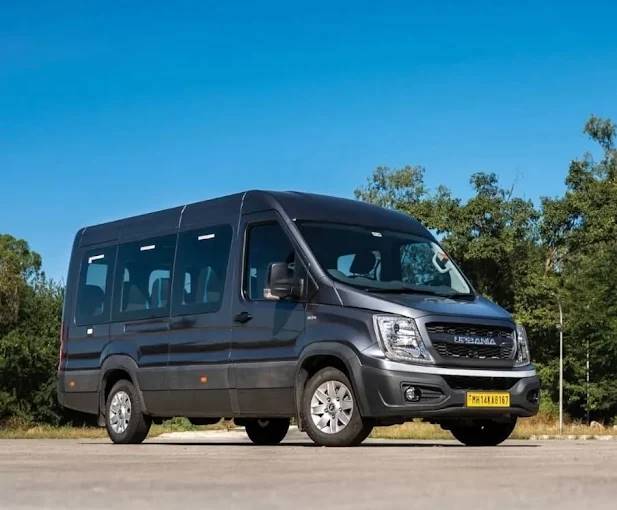
Mumbai never sleeps. The city pulses with energy, and if you’re planning a group trip, whether it’s a family gathering, corporate outing, or friends’ weekend escape, getting everyone from point A to point B can feel like solving a puzzle. You need space. You need comfort. You need air conditioning that actually works in Mumbai’s humidity. That’s where an AC Tempo Traveller comes in.
Choosing an AC Tempo Traveller in Mumbai isn’t just about finding a vehicle with seats and wheels. It’s about making sure your group stays comfortable during those long stretches on the Mumbai-Pune Expressway or the coastal roads leading to Alibaug. The wrong choice means cranky passengers, wasted money, and a trip that starts on the wrong foot. The right choice? Everyone arrives happy, refreshed, and ready for what’s ahead.
Think about it. You’re cramming eight people into two cars, dealing with different driving speeds, lost phones, trying to coordinate, and petrol stops that never sync up. Or you could have everyone together, chatting, laughing, maybe even napping, whilst someone else handles the navigation. The difference is night and day.
What Makes an AC Tempo Traveller Different
Not all group vehicles are built the same. Some feel like glorified vans with hard seats and windows that barely open. An AC Tempo Traveller, when you get a good one, offers proper seating arrangements with legroom that doesn’t leave you folded like origami. The air conditioning isn’t an afterthought. It’s built into the design because the manufacturers know these vehicles will spend hours on Indian roads during scorching summers.
Seating capacity varies. You’ll find options ranging from nine-seaters to seventeen-seaters, sometimes even more. But here’s what matters: how many people can comfortably fit? A vehicle that claims fourteen seats might technically squeeze everyone in, but will your knees be touching your chest? Will bags end up on laps? These are questions worth asking before you book.
The suspension system makes a real difference, too. Mumbai roads can be unpredictable. One moment you’re cruising smoothly, the next you’re navigating potholes that seem designed to test your patience. A well-maintained Tempo Traveller absorbs most of that shock. Passengers in the back won’t feel like they’re on a rollercoaster.
Booking Considerations That Actually Matter
Timing plays a bigger role than most people realise. Tourist season, wedding season, festival weekends, these periods see demand spike. Vehicles get booked weeks in advance. Waiting until the last minute means either paying premium rates or settling for whatever’s left. Neither option feels great.
Driver experience deserves attention. You’re not just hiring a vehicle; you’re hiring someone who’ll be responsible for your group’s safety for hours. Ask about their familiarity with your planned route. A driver who knows Mumbai’s shortcuts and can navigate peak traffic is worth their weight in gold. Someone who’s constantly checking GPS and taking wrong turns? That’s stress nobody needs.
Vehicle age and maintenance history tell you a lot. A three-year-old Tempo Traveller that’s been serviced regularly will outperform a brand new one that’s been run ragged. Check for visible signs: clean interiors, functioning AC vents in all rows, working seatbelts, and proper door mechanisms. These aren’t luxury features. They’re basic safety and comfort requirements.
The Route Planning Reality
Mumbai offers countless getaway options within a few hours’ drive. Lonavala, Mahabaleshwar, Kashid, and Matheran each demand different planning. Some routes involve steep climbs. Others have long stretches without proper rest stops. Your vehicle needs to handle the terrain you’re throwing at it. A Tempo Traveller built for city driving might struggle on mountain roads.
Break timing becomes crucial on longer journeys. Adults can perhaps push through, but kids? Elderly passengers? They need regular stops. Factor in at least one substantial break every two hours. This isn’t just about comfort; it’s about arriving safely. Fatigued drivers make mistakes. Restless passengers create distractions.
Weather conditions change everything. Monsoon season turns specific routes treacherous. What looks like a simple three-hour drive can stretch to five when rain hammers down. Your vehicle’s tyre quality, wiper efficiency, and braking system suddenly become critical. Don’t assume all rental vehicles are monsoon-ready just because they’re on the road.
Space and Luggage Management
Everyone packs differently. Some people travel light with a single backpack. Others bring suitcases that could double as furniture. Before booking, actually count your bags. Not just the number of people, but the stuff they’re bringing. A twelve-seater might seat twelve people fine, but where does the luggage go when every passenger has a full-sized suitcase?
Most Tempo Travellers have rear storage space. Some have roof racks. But accessing that roof rack during the journey? Nearly impossible. Pack smartly. Keep essentials medicines, snacks, and phone chargers within easy reach. Everything else goes in the back and stays there until you reach your destination.
Consider the seating arrangement carefully. Families with young children might want them in the middle rows where they’re easily supervised. People prone to motion sickness do better near the front. The back rows get the most bumps and jolts. Plan these details beforehand rather than figuring them out while everyone’s climbing aboard with bags in hand.
Safety Features You Shouldn’t Compromise On
First aid kits should be standard, but they’re not always there. Ask specifically. The same goes for fire extinguishers. These aren’t paranoia; they’re basics that responsible operators provide without being asked. If someone hesitates or says it’s available “upon request,” that’s a red flag.
Seatbelts in all rows matter more than most people think. Yes, even in the back. Accidents don’t announce themselves. They happen in split seconds on roads you’ve driven dozens of times. Making sure everyone buckles up isn’t being overly cautious; it’s being sensible. Check that all belts work correctly before you leave.
Emergency contact information should be clear. Who do you call if something goes wrong mid-journey? The driver should have backup support numbers. You should have the rental company’s helpline. Mobile networks can be patchy on specific routes. Have alternatives planned. Perhaps another vehicle that can reach you if needed. These precautions feel excessive until you need them.
Understanding Rental Terms
Reading the agreement properly saves headaches later. Kilometre limits often come with caveats. What counts as “local use”? What’s the charge per extra kilometre? Some companies include fuel, others don’t. Some cover tolls, others expect you to pay. These details add up quickly when you’re calculating actual costs. The vehicle rental process itself has specific steps that protect both parties when followed correctly.
Cancellation policies vary wildly. Life happens. Trips get postponed. Understanding what you lose if plans change helps you make informed decisions. Some operators offer flexible rebooking, others forfeit your entire advance. Neither approach is inherently wrong, but you should know beforehand.
Driver accommodation on overnight trips needs clarity. Is it your responsibility? Is it included? Some packages cover it, some don’t. This matters particularly on multi-day journeys where the driver needs rest. Clear communication prevents awkward conversations later.
The Comfort Factor Beyond AC
Temperature control goes beyond just “turning on the AC.” Can individual vents be adjusted? Does cooling reach the back rows, or do people there sweat whilst those upfront freeze? A sound AC system maintains a consistent temperature throughout. Poor systems create hot spots and cold zones that leave everyone uncomfortable.
Seat cushioning affects longer journeys more than short hops. What feels fine for thirty minutes becomes torture after three hours. If possible, sit in the actual vehicle before booking. Feel the seats. Check the recline. These small factors determine whether passengers arrive fresh or stiff.
Entertainment systems are nice but not essential. Some vehicles have screens and music systems. Others don’t. If your group includes children, these features jump from “nice” to “necessary.” But for short trips with adults? Perhaps skippable. A group transport solution that prioritises comfort typically addresses these aspects thoughtfully.
Making Your Decision
Start by listing your actual needs, not your wishes. How many people? How much luggage? What route? What duration? Answer these first. Then find vehicles matching those requirements. Don’t let flashy features distract from the basics. A vehicle with fancy LED lights but dodgy brakes isn’t doing you favors.
Compare at least three options. Prices vary, but so does service quality. The cheapest option might cut corners you’ll regret. The most expensive doesn’t guarantee perfection. Look for that middle ground where cost meets quality reasonably.
Trust your instincts during initial conversations. Does the operator answer questions clearly? Do they seem knowledgeable about routes and vehicles? Are they transparent about limitations? Good service providers don’t oversell or make promises they can’t keep. They’re honest about what their vehicles can and cannot do.
